
Recurring staff transport needs a different brief from a one-off company event. Passenger numbers can vary by shift, pickup points must work repeatedly, and the schedule needs a clear process for holidays and last-minute changes. Use this guide to prepare a workable route specification before asking for a quote.
Separate recurring journeys from event transport
List which trips repeat each week and which are occasional. An office-to-site shuttle, a regular training journey and an annual dinner should not be treated as the same booking. For a one-off conference or team outing, use our corporate event checklist. For repeated travel, start with the operating days, shift times and expected passenger count on each run.
Create a route brief the operator can assess
- Days of operation, first service date and expected duration of the arrangement.
- Exact pickup and drop-off locations, including the correct entrance or meeting point.
- Required arrival time for each shift or training session.
- Expected passengers per trip and how variation will be communicated.
- Return runs, additional stops, luggage and boarding requirements.
Check the proposed stopping points with the site or venue. A location that is convenient on a map may have access restrictions or unsuitable waiting space. Ask the operator to review the planned route rather than promising a fixed journey time before it has been assessed.
Select capacity for each run
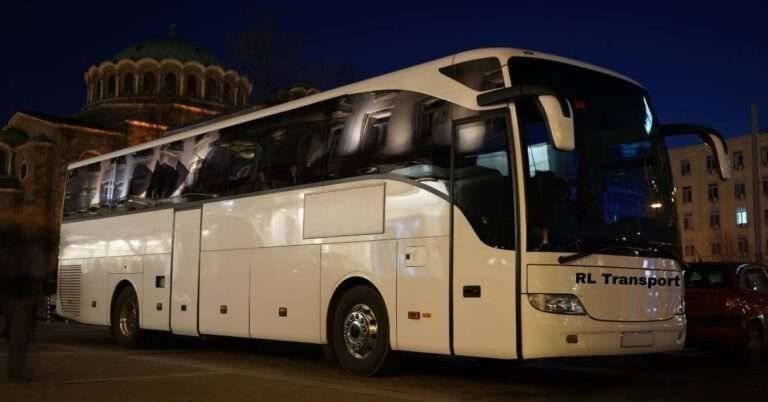
Compare RL Transport’s 13-, 23-, 45- and 49-seat vehicles against the expected headcount. Tell the team if passengers carry equipment or large bags. If numbers vary substantially, ask whether different vehicle sizes or separate runs are practical and how those changes would affect the quote.
Define the service boundaries in writing
Agree which trips, dates and stops the quotation covers. Clarify waiting allowances, extra stops, schedule changes, cancellation terms and what happens on public holidays. Ask how a late passenger, delayed shift or changed workplace location should be handled. These arrangements need to be confirmed; they are not assumed RL Transport policies.
Set a single communication process
Nominate an organiser who can approve changes and communicate the current passenger count. Ask when journey contact details will be available and who to contact if the route changes. Share meeting instructions with passengers and explain the agreed departure process so the driver is not receiving conflicting instructions from several people.
Review the route after it starts
Record actual boarding patterns, missed pickups and recurring access difficulties. Discuss adjustments with the operator before changing stops or departure times. A route that worked for the initial group may need review when shifts or staff numbers change.
Request the relevant service
See the corporate bus charter and shuttle service pages, then send your route brief. Include any insurance or licensing documents your organisation requires so their availability can be confirmed before booking.