
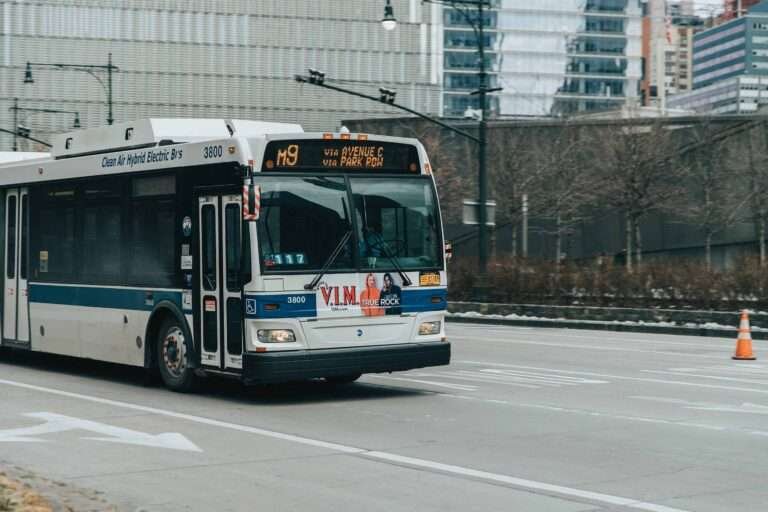
A corporate event journey needs more than a departure time. The transport plan should account for the venue’s access, the time attendees must be seated, luggage or equipment, and the return journey. Use this checklist when arranging a conference, company dinner, team outing or client visit.
Build the schedule backwards from arrival
Start with the time attendees must arrive, not just the event start time. Allow time for unloading, walking to the entrance and registration. Ask the operator to review the route and proposed pickup time. Traffic and access conditions vary, so treat an initial schedule as a plan to confirm, not a guaranteed journey duration.
Choose one pickup or a short collection route
A single office or hotel pickup simplifies headcounts. Several pickups may be more convenient for passengers but add travel and boarding time. Record the exact address, meeting point and contact for each stop. Confirm that the venue can accommodate the proposed bus and whether there are access or waiting restrictions.
Match the vehicle to passengers and equipment
RL Transport’s fleet lists 13-, 23-, 45- and 49-seat vehicles. Count confirmed attendees and discuss luggage, presentation materials or event equipment separately. A smaller group can review the minibus options; larger groups can compare the full fleet. For multiple vehicles, nominate a contact and passenger allocation for each.
Compare quotations on the same basis
- Exact date, route and pickup time.
- Vehicle size and number of vehicles.
- One-way, two-way or hourly arrangement.
- Included waiting time and additional-stop charges.
- Parking or other charges and how schedule changes are handled.
- Deposit, cancellation and payment terms.
A lower headline rate is not directly comparable if it excludes the return trip or waiting time. Ask the operator to state what is included and which changes would require a revised quote. RL Transport pricing is confirmed for the actual itinerary, not inferred from competitor advertisements.
Prepare the return journey
Confirm whether the bus waits at the venue or returns at an agreed time. Give attendees a clear return meeting point and decide who will communicate delays. If guests may leave at different times, discuss separate departures before booking rather than expecting one vehicle to cover conflicting schedules.
Send a single transport brief
Your brief should contain the event date, passenger count, pickup locations, required arrival time, return plan, luggage and access requirements. Keep an organiser’s contact with the final itinerary and circulate only the journey details passengers need.
See RL Transport’s corporate event bus charter service for the service overview. When the route is ready, request availability and a quotation. For recurring staff journeys rather than an event, explain the repeated schedule so the quotation addresses that different requirement.
Continue planning your journey
Browse the transport planning guides, compare bus charter services in Singapore, or read the guide to common charter occasions.